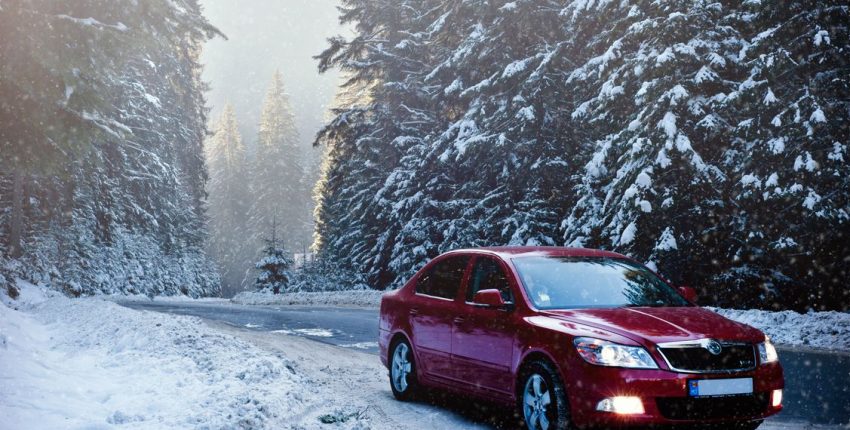
November is when winter starts to feel real in Mississauga and across the GTA. Temperatures drop, mornings get darker, and snow, freezing rain, and slush can quickly become part of the daily commute.
Before winter settles in, it is worth taking a few minutes to check the basics on your vehicle. You do not need to be a mechanic to spot several common issues. A quick inspection can help you identify problems that deserve attention before they become more inconvenient during a cold-weather drive.
Here is a simple 10-minute November car check you can do before winter arrives.
1. Check Your Tire Pressure
Cold temperatures can cause tire pressure to drop. Even if your tires were properly inflated during warmer weather, they may need attention once temperatures fall.
Check all four tires when they are cold and compare the readings with the recommended pressure listed on your vehicle’s door-jamb label or owner’s manual.
Do not use the maximum pressure printed on the tire sidewall as your target. That number is not necessarily the vehicle’s recommended operating pressure.
While checking pressure, take a quick look at the tires themselves. Look for uneven wear, cracks, bulges, or objects stuck in the tread.
2. Take a Look at Your Tire Tread
Your tires are one of the most important points of contact between your vehicle and a winter road.
Look across the tread for uneven wear and make sure there is enough tread remaining for the conditions you expect to encounter. Worn tires can have a harder time maintaining traction on wet, snowy, or slushy roads.
If you use winter tires, November is also a good time to make sure they are installed and ready for the season.
If you are unsure about the condition of your tires, have them inspected professionally.
3. Test Your Lights
Shorter days mean you will probably spend more time driving in darkness.
Turn on your headlights, high beams, brake lights, turn signals, and hazard lights. Walk around the vehicle if possible to make sure the exterior lights are working.
Check the lenses for excessive cloudiness or damage, too. Clean lights help other drivers see you, particularly during snow, rain, and early evening driving.
4. Check Your Wipers and Washer Fluid
Winter roads can quickly cover a windshield with salt, dirt, and slush.
Worn wiper blades may leave streaks or skip across the glass, making it harder to see. Run the wipers and check whether they clear the windshield evenly.
Then check your washer fluid level and top it up with a winter-rated windshield washer fluid.
It is better to discover an empty washer reservoir while parked at home than during a messy highway commute.
5. Look at the Battery
Cold weather puts additional demands on your vehicle’s battery, particularly when starting the engine.
You can start by checking for obvious signs of trouble. Does the engine crank more slowly than usual? Are the headlights dimmer than expected? Have you recently needed a boost?
If so, the battery may deserve a closer inspection.
Battery age matters as well. If your battery has been in service for several years, a professional test can give you a better idea of its current condition.
6. Check Your Engine Oil
Your engine relies on clean oil with the correct specification and viscosity for proper lubrication.
Check the oil level according to the instructions in your owner’s manual. If the level is low, do not simply assume that adding oil solves the problem. A low level can have several causes, including consumption or a leak.
If your vehicle is approaching its scheduled oil service, November can also be a convenient time to have the oil and filter checked.
7. Check Your Coolant
Your cooling system does more than keep the engine from overheating during summer. Coolant also plays an important role when temperatures fall below freezing.
Check the coolant level only when the engine is cool and follow the manufacturer’s instructions. Never open a hot cooling system.
If the coolant level repeatedly drops, that is worth investigating rather than simply topping it up over and over.
8. Test Your Defroster and Heater
A functioning heating and defrosting system becomes particularly important during Canadian winters.
Turn on the heater and make sure warm air is coming through the vents. Test the front and rear defrosters if your vehicle has them.
Pay attention to unusual smells, weak airflow, or a heater that does not seem to produce enough warmth.
Problems with the heating or defrosting system can affect comfort and visibility, so they are worth addressing before temperatures drop further.
9. Look Under the Car
You do not need to crawl underneath your vehicle to perform a basic inspection.
After the car has been parked for a while, look at the ground underneath it. New spots or puddles may indicate a fluid leak.
Different fluids can have different colours and appearances, but identifying the exact fluid is not always easy from a driveway inspection alone.
If you notice an unexplained leak, have the vehicle checked before winter conditions make the problem harder to deal with.
10. Check Your Emergency Supplies
Finally, spend a minute checking what you keep in the vehicle.
For winter driving, useful items can include an ice scraper, snow brush, booster cables or a portable jump starter, flashlight, gloves, and basic emergency supplies.
If you regularly drive long distances, consider what you would want with you if you were delayed by a winter road closure or mechanical problem.
It is much easier to prepare these items now than when you are already dealing with a cold, snowy evening.
Why a 10-Minute Check Is Worth Doing
A quick inspection will not replace professional maintenance, but it can help you notice problems before they become more disruptive.
Something as simple as low tire pressure, worn wipers, a weak battery, or low washer fluid can become much more frustrating when combined with freezing temperatures and poor road conditions.
November is also a useful time to review your vehicle’s maintenance schedule. If an oil change, brake inspection, tire service, or other scheduled maintenance is coming due, getting it handled before winter travel can make your vehicle easier to rely on.
Get Your Vehicle Ready for Winter at NewCastle Auto Repairs
Winter driving can be demanding on your vehicle, but preparation does not have to be complicated. A quick November check can help you catch small concerns and make sure your vehicle is ready for colder conditions.
If you are in Mississauga or the surrounding GTA and want a professional assessment before winter arrives, NewCastle Auto Repairs can inspect your vehicle and help identify maintenance needs before they become bigger problems.
Book an appointment with NewCastle Auto Repairs and head into winter with a vehicle that has been properly checked.