If you’ve ever noticed a puddle under your car, it can be a stressful sight. Cars are complex machines with multiple fluid systems, and each fluid plays a vital role in keeping your vehicle running safely and efficiently. Ignoring a leak can lead to serious damage, costly repairs, or even a breakdown on the road. The good news is that many leaks can be identified early just by paying attention to the color, texture, and location of the fluid. Understanding these signs allows you to act quickly and protect your car from long-term damage.
Identifying Fluid Leaks by Color
The color of the fluid can provide your first clue about the source of the leak. Here’s a detailed breakdown of what common colors usually indicate:
Brown or Black Fluid – Engine Oil
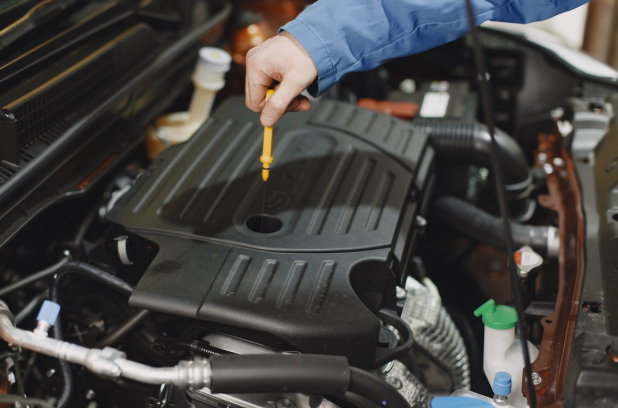
Dark brown or black fluid is almost always engine oil. Oil leaks often occur around the oil pan gasket, valve cover gasket, or oil filter. Fresh oil is lighter brown, while older oil that has been in your engine for a while becomes darker.
If you notice a small drip, it may not seem urgent, but an untreated oil leak can lead to low oil levels, overheating, or even engine failure. Check your oil level regularly and monitor for changes in your engine’s performance, like unusual noises or decreased fuel efficiency.
Red or Pink Fluid – Transmission Fluid
Transmission fluid is typically bright red or pink when it’s in good condition. Over time, it can darken to brown if it’s old or contaminated. A leak often appears under the center or front of the car and can indicate issues with transmission seals, gaskets, or cooler lines.
Transmission fluid is essential for smooth gear shifts and long-term transmission health. Driving with low or leaking fluid can cause your transmission to slip, overheat, or fail completely.
Green, Yellow, or Orange Fluid – Coolant/Antifreeze
Coolant leaks often appear as bright green, yellow, or orange puddles. Coolant protects your engine from overheating and freezing, so a leak can quickly become serious. Common leak sources include the radiator, water pump, hoses, or the heater core.
Coolant is often sweet-smelling, so you may notice the scent near the leak. Never ignore coolant leaks. Overheating can cause severe engine damage, including warped cylinder heads or a blown head gasket.
Clear or Slightly Yellow Fluid – Brake Fluid
Brake fluid is usually clear to pale yellow and has an oily texture. Leaks typically occur near the wheels or under the brake master cylinder. Because your braking system relies entirely on hydraulic pressure, even a small leak can reduce braking efficiency or cause total brake failure.
Brake fluid absorbs moisture over time, which can also lead to internal corrosion. If you notice a clear or yellow fluid under your car near the wheels, have your brakes inspected immediately.
Dark Brown or Black Fluid with a Sweet Smell – Power Steering Fluid
Power steering fluid is often reddish-brown or dark brown and has a distinctive smell. Leaks usually appear under the front of the car, near the steering rack or pump. Low fluid can make steering feel heavy or jerky, reducing your ability to maneuver safely.
Many vehicles today have power steering systems that are more complex, so ignoring a leak can lead to costly repairs. If steering becomes stiff or noisy, it is critical to address the problem promptly.
Blue or Light Green Fluid – Windshield Washer Fluid
Windshield washer fluid is usually bright blue, though some brands come in green or orange. A puddle of this fluid is generally harmless, but it can indicate a cracked reservoir or broken hose. While it doesn’t affect the engine or safety systems, a malfunctioning washer system can reduce visibility during rain or snow, so it’s worth fixing.
Other Signs of Fluid Leaks
Color alone isn’t always enough to diagnose the problem. Consider these additional signs:
- Location of the puddle: Fluids tend to accumulate under the part of the car where the system is located. Engine oil will usually drip near the front center, transmission fluid under the middle, and brake fluid near the wheels.
- Texture and smell: Oil feels slick and dark, coolant is watery and sweet-smelling, and brake fluid is oily and slightly slippery. Transmission fluid is slick and reddish, while power steering fluid is similar but may have a darker hue.
- Frequency and size of drips: Small drips may indicate minor leaks, but puddles forming overnight or rapid fluid loss suggest a serious problem that needs immediate attention.
When to Stop Driving
Not all leaks are emergencies, but certain fluids are critical for safe driving. Stop driving immediately if:
- You notice brake fluid leaks, as brakes may fail suddenly.
- You have a coolant leak combined with engine overheating.
- Transmission fluid is leaking rapidly, causing slipping or unusual noises.
- Engine oil is leaking quickly, especially if the oil pressure warning light comes on.
For minor leaks, such as a small windshield washer or power steering leak, it may be safe to drive short distances. However, any recurring puddles or changes in vehicle performance should be inspected promptly.
Preventing and Addressing Leaks
Regular maintenance is the best way to prevent leaks. Schedule oil changes, check fluid levels, and have hoses and seals inspected routinely. If you notice any signs of leaking fluid, don’t wait until it becomes a bigger problem. A certified mechanic can identify the source and repair it before it damages your vehicle or leaves you stranded.
Modern diagnostic tools, including AI-assisted scanning systems, can pinpoint leaks quickly and accurately. This ensures you only pay for the repairs needed and provides peace of mind that your car is safe and reliable.
How NewCastle Auto Repairs Can Help
At NewCastle Auto Repairs in Mississauga, our certified and licensed technicians have over 20 years of experience detecting and repairing fluid leaks. Using advanced diagnostics, we identify the exact source of the leak and recommend the most effective solution. Whether it’s an engine oil drip, transmission fluid leak, or coolant issue, we provide reliable, transparent service backed by warranties.
Our team keeps your car’s interior and exterior protected while performing repairs and ensures you receive proof of all work performed. With timely service and expert advice, we help prevent minor leaks from turning into costly repairs.
If you notice any fluid under your car or suspect a leak, schedule an appointment with NewCastle Auto Repairs. Acting quickly keeps your vehicle safe, reliable, and performing at its best.